

Fairy Chimneys
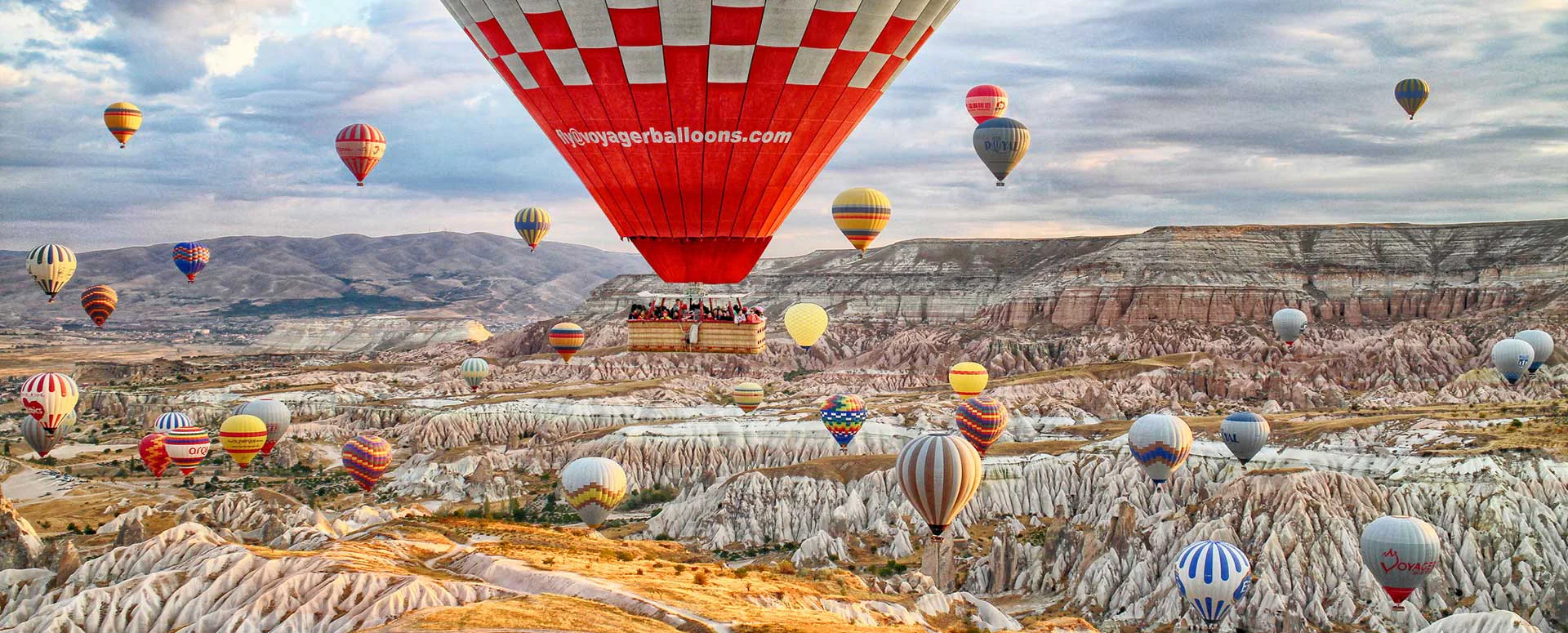
Cappadocia's famous fairy chimneys were formed as softer volcanic rock eroded around harder stone caps. Over time, these natural towers became the symbol of the region's valleys, especially around Göreme, Zelve and Paşabağ.
Geological Wonders
Cappadocia's surreal landscape is one of the world's most extraordinary natural wonders. Its valleys, rock towers and fairy chimneys were shaped over millions of years by two powerful forces: volcanic eruptions that built the land, and erosion that slowly carved it into the forms we see today.
Ancient volcanoes such as Erciyes, Hasan Dağı and Melendiz once covered the region with layers of soft volcanic ash and lava. Over time, wind, rain, rivers and temperature changes began to wear away this volcanic plateau, creating deep valleys, sharp ridges and isolated rock formations.
The result is a landscape unlike anywhere else on earth — a dreamlike world of fairy chimneys, sculpted valleys and natural stone towers that make Cappadocia one of the most iconic places in the world to experience from the sky.
Cappadocia's famous fairy chimneys were formed as softer volcanic rock eroded around harder stone caps. Over time, these natural towers became the symbol of the region's valleys, especially around Göreme, Zelve and Paşabağ.
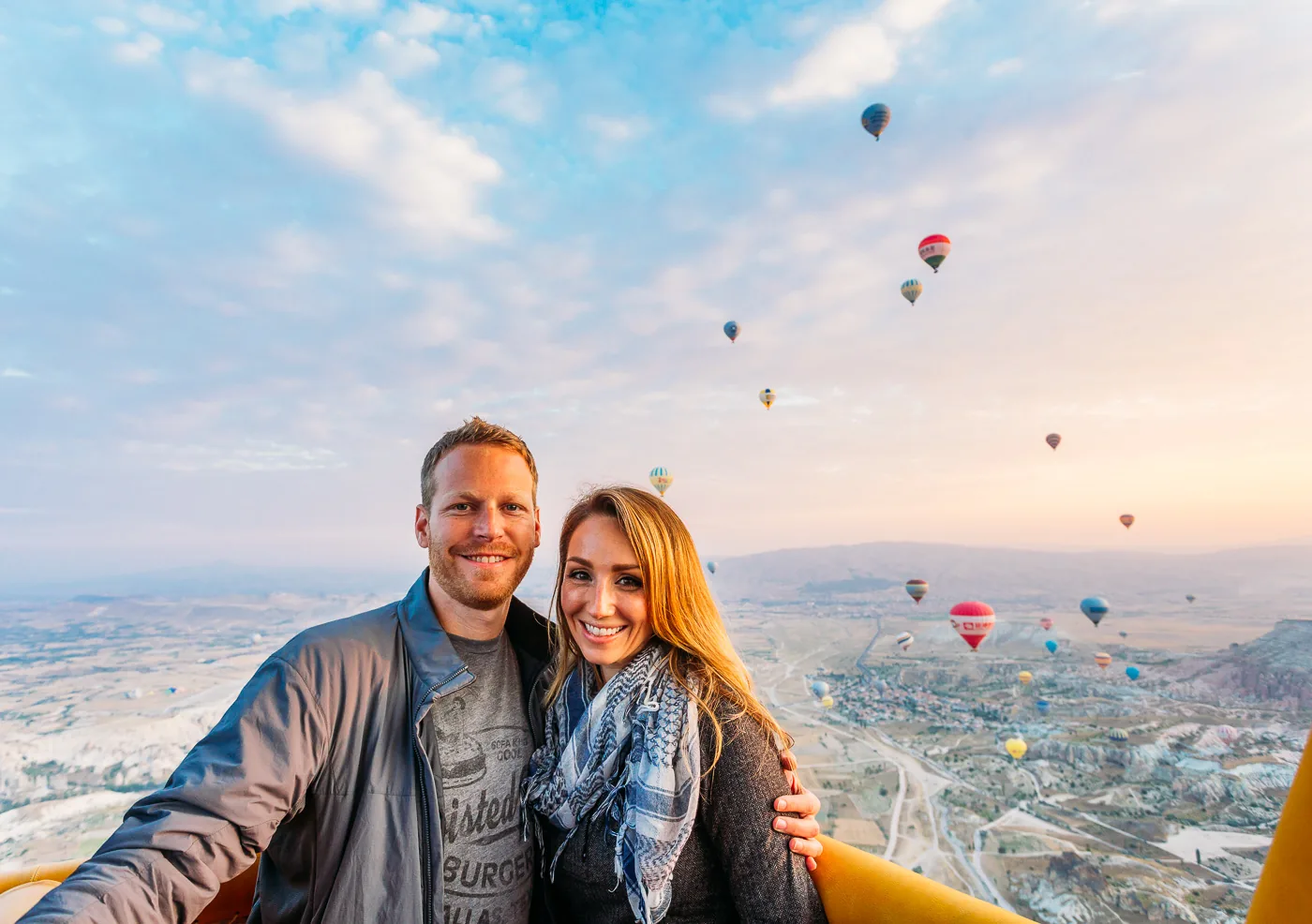
The story of Cappadocia began with volcanic activity. Mountains such as Erciyes, Hasan Dağı and Melendiz released layers of ash, lava and tuff, creating the soft geological foundation that shaped today's landscape.
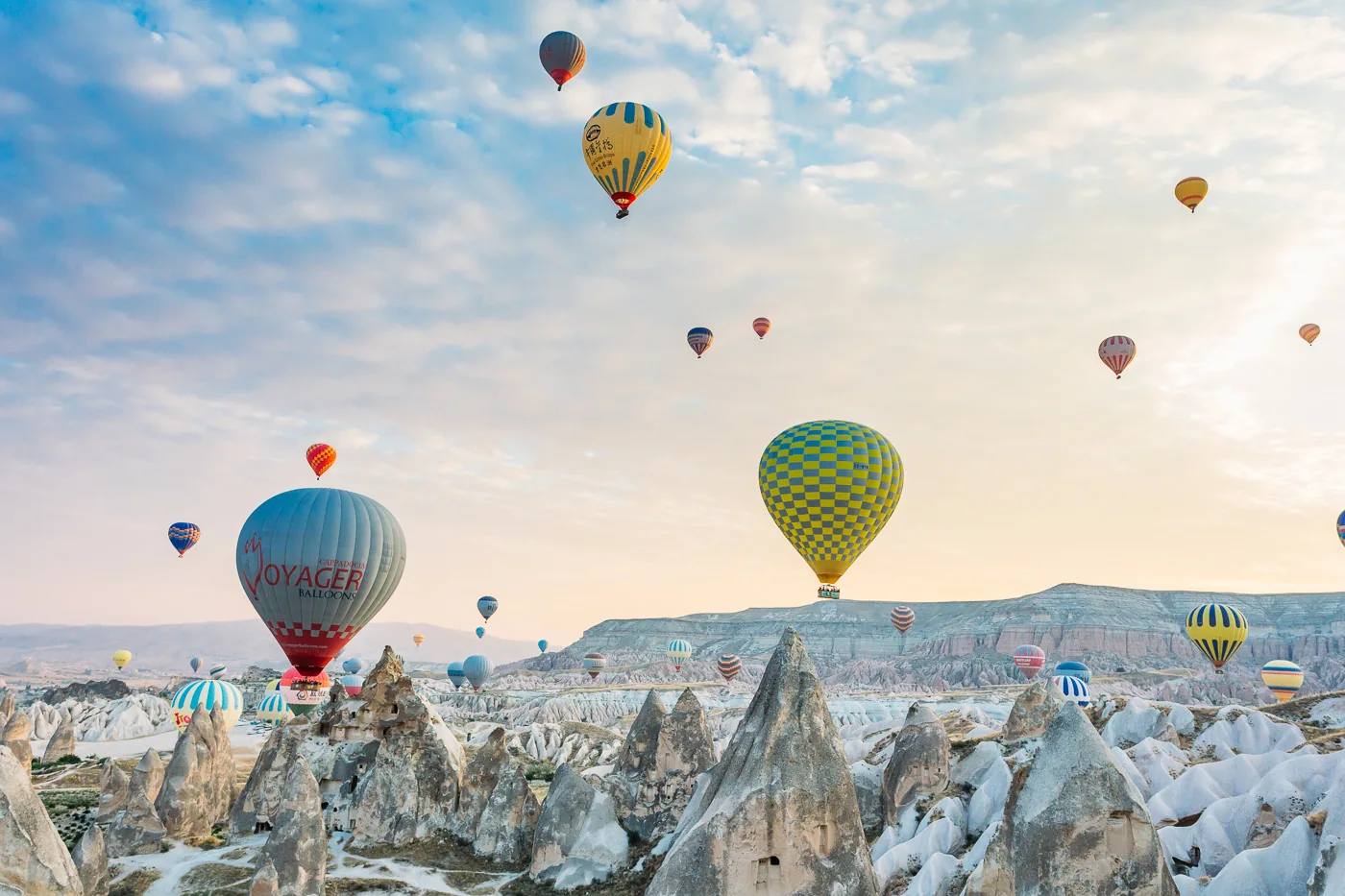
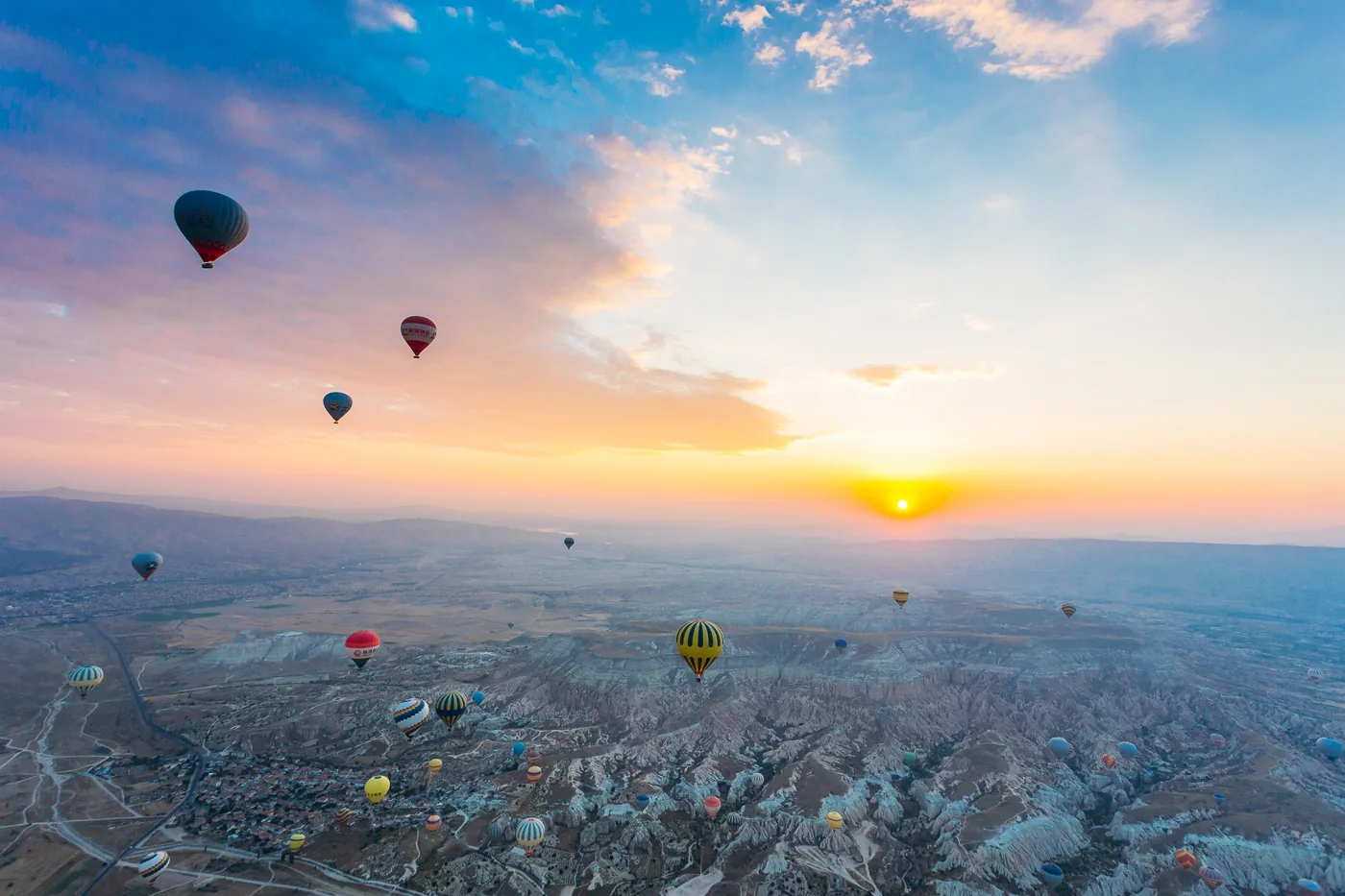
Wind, rain and rivers carved the volcanic plateau into deep valleys, ridges and dramatic rock walls. These natural formations give Cappadocia its unique texture and make every balloon flight feel like a journey over another world.
Cappadocia is famous for its magnificent natural beauty and outdoor attractions. Visiting Cappadocia, the land of a thousand caves, churches and underground cities, is an opportunity to step back in time and experience the Asia Minor of old.
If you have never taken a flight in a hot-air balloon, Cappadocia is one of the best places in the world to try it. Flight conditions are especially favourable here, with balloons operating most mornings throughout the year.
From Neolithic settlements and Hittite empires to Byzantine rock churches and Selcuk heritage — Cappadocia carries thousands of years of civilization beneath its valleys and fairy chimneys.
6700–5700 B.C.
An outstanding Neolithic site near Konya revealed murals including the earliest known landscape in history — a twin-peaked volcano representing Hasan Dag, now displayed in Ankara.
1900 B.C.
Assyrian merchants established karums across Anatolia. Kultepe (Kanesh) was the most important, and the famous Cappadocian tablets record daily business, trade agreements and life in the region.
18th–12th centuries B.C.
Indo-European tribes merged with the local Hatti population and built one of the greatest empires of the ancient world, with Cappadocia at the heart of Hittite power and culture.
6th–4th centuries B.C.
The Persians called the region Katpatukya — the Land of Beautiful Horses. Cappadocia paid tribute in gold, sheep, mules and its prized horses to the Persian empire.
4th century B.C. – A.D. 17
After Alexander the Great, an independent Cappadocian kingdom emerged. The Ariarathes dynasty ruled through alliances, Roman intervention and conflict with the kingdom of Pontus.
A.D. 17 – 4th century
Cappadocia became a Roman province. Christianity spread across the region, and three great church leaders — Basil the Great, Gregory of Nyssa and Gregory of Nazianzus — shaped monastic life here.
4th–15th centuries
Frequent raids forced Christians into underground cities and camouflaged rock churches. Byzantine emperors built forts, warning systems and a network of roads to defend the frontier region.
9th–13th centuries
After the Battle of Malazgirt in 1071, Selcuk Turks established control over Anatolian soil, building caravansarays, medreses and mosques — laying foundations for Ottoman culture and art.
Below you can find a list prepared by Halis Aydogan with the experience of 15 years in professional tour guiding.
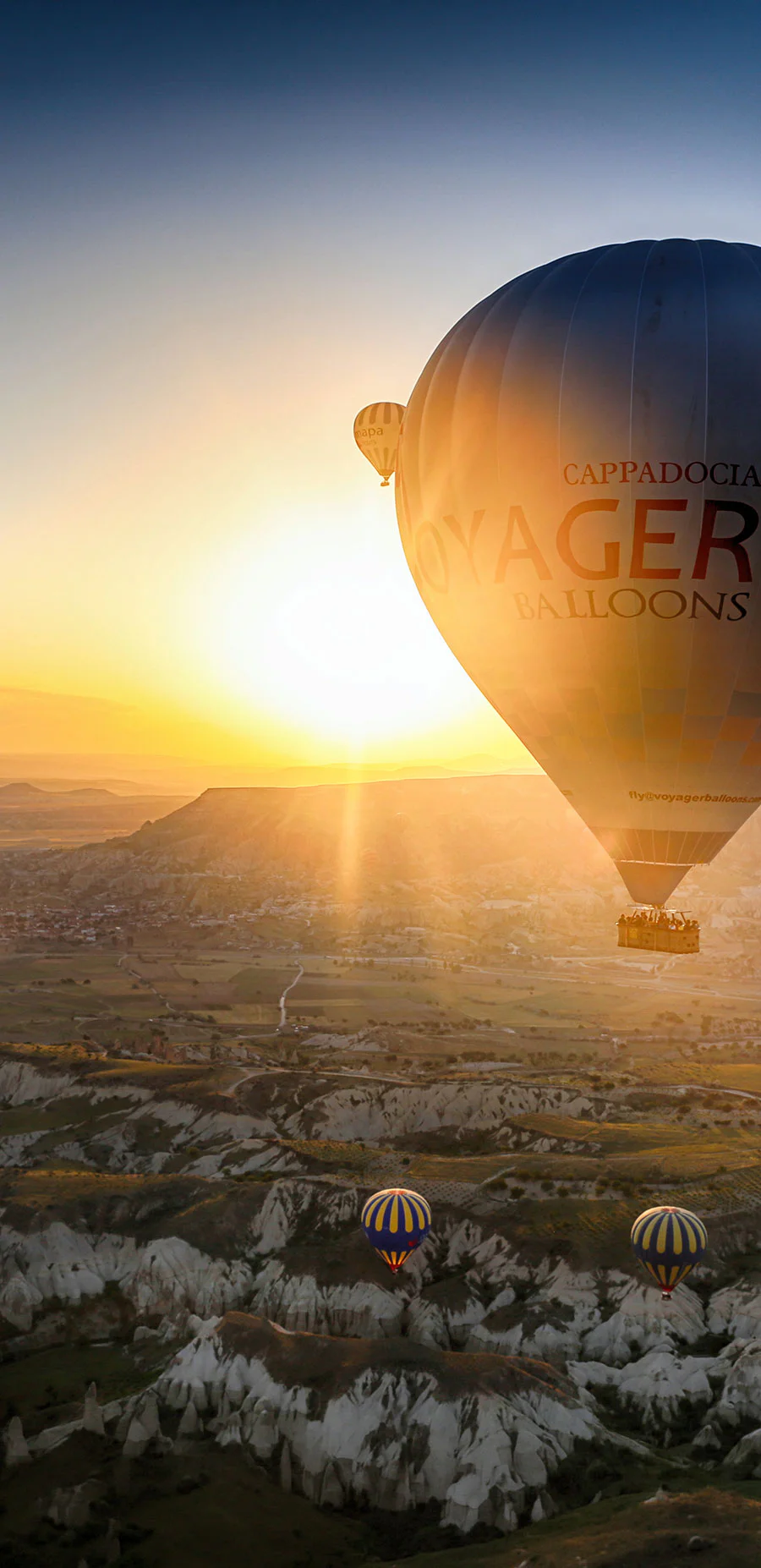
Cappadocia is one of the most perfect places on earth for soaring peacefully in hot air balloons. Rock formations and world-famous fairy chimneys drift into view, giving you the unmatched feeling of being above it all. At Voyager Balloons we pick you up just before dawn and bring you to the take-off site where you can watch the crew inflate your balloon while having coffee, tea and a light snack.
Cappadocia has many old houses and most of them are nicely restored and serving as a cave or stone hotel. Experience staying in a cave room. Sounds interesting, right?
The museum where you can see the best preserved churches of Cappadocia — totally 8 churches. Goreme is one of the oldest towns in Central Anatolia. The valley houses numerous rock hewn churches with frescos, and the aristocratic churches are covered with impressive Byzantine art.
There are more than one hundred underground cities in Cappadocia. Due to the soft nature of the volcanic rock, early civilizations carved entire cities underground and would retreat to this refuge in times of siege. The cities comprised living quarters, cooking areas, places for worship, storage areas and stables on the first floor below ground.
The Red Valley is one of the most spectacular valleys of Cappadocia with its different kind of rock formations in a variety of colors. Hidden rock-cut churches in the valley surprise the visitors. You can watch hot air balloons early in the morning in this beautiful valley, with lots of options for hiking and horseback riding.
Ihlara Valley is a canyon, approximately 14 km in length and up to 100 metres deep in places. The sheer walls of the canyon make it almost invisible until you are directly upon it.
You can get a feel for the area riding through a full day exploring the fascinating frescoed and rock-carved churches of the Goreme Open Air museum, the fairy chimneys of Pasabag and Devrent Valleys.
The ingredients for the kebab are sealed inside a hollow pottery ball, then baked in an oven or over coals and placed whole in front of the hungry diner. The waiter taps along the circumference with a hammer — and with a crack, the ball breaks in two, leaving a removable lid and your stewed kebab sitting in a bowl.
The Whirling of Dervishes is one method of polishing the human heart — a 700-year old discipline that allows a devotee to experience the immediate presence of the divine through movement and meditation.
One of the most imposing landmarks of this region is the hilltop fortress at Uchisar. Out of this natural rock formation a wide variety of rooms and dwellings were carved. Nearby Pigeon's Valley contains numerous pigeon houses — pigeons were trained to deliver messages throughout Central Cappadocia and their droppings were used as guano.
From shared sunrise flights to fully private experiences — find the perfect balloon journey over Cappadocia.
Classic sunrise balloon experience shared with up to 20 guests above Cappadocia's valleys.
More space, longer flight — an elevated shared experience with a smaller, more comfortable group.
A semi-private premium experience — fewer guests, more space, and an extended flight over Cappadocia.
Göreme · Updated daily